

Facas tradicionais Japonesas
Vantagens das facas Japonesas
O núcleo do aço é extremamente duro, entre 59-64º HRC, e oferecem um poder de corte duradouro. O ângulo de afiação é de 15º em ambos os lados. As facas com um só chanfre possuem um ângulo de 20º.
"Sem fendas, sem curvas e extremamente afiadas" sempre foi o conceito dos fabricantes de catanas no Japão e a Kai mantém-se fiel a esta tradição.
Santoku

Santoku é conhecida por "três vantagens".
A Santoku é o modelo tradicional Japonês de uma faca universal, equivalente à faca de Chefe Europeia. O nome "três vantagens" deriva das suas três possíveis utilizações: para cortar peixe, carne e vegetais.
Nakiri

Nakiri é conhecida como um cutelo para vegetais. O modelo da lâmina Nakiri é conhecido no Japão como faca para vegetais e é essencialmente utilizada para cortar todos os tipos de vegetais. Apesar da sua forma de cutelo, esta faca não é adequada para desossar.
Yanagiba

Yanagina é conhecida pela sua lâmina em forma de folha de salgueiro. A Yanagiba é tradicionalmente usada no Japão como uma faca para fatiar. A sua lâmina fina e longa torna esta faca particularmente adequada para cortar fatias muito finas, o que é típico na preparação do Sushi e Sashimi. Esta faca garante cortes artísticos, e mais importante ainda, um desempenho de corte suave. O comprimento e a forma da lâmina permitem um movimento de corte longo e contínuo.
Deba

Deba é conhecida como um cutelo. Esta faca equilibrada e pesada possui uma lâmina robusta e larga com um só gume. A frente da lâmina é usada principalmente para fazer filetes de peixe. A parte de trás da lâmina é mais forte e é usada, entre outrasas aplicações, para desmanchar frangos pequenos ou desossar.
Outras notícias
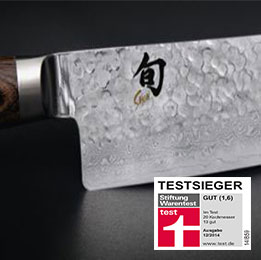
LINHA SHUN PRO SHO
PRÉMIO DESIGN 2019
© 2026 | Business Again | Todos os direitos reservados.
Design & Development @ Activo Criativo ®